Understanding Excess Weight Through Nutrition
An independent educational resource exploring the science of food composition, individual metabolic responses, and the complex relationship between nutrition and body weight.
Educational content only. No medical services. No promises of outcomes.
Individual Responses to Foods

Modern nutritional science increasingly recognizes that individuals may respond differently to the same foods. These variations can be influenced by genetic factors, gut microbiome composition, metabolic rate, and hormonal balance.
Research suggests that what constitutes an optimal food choice for one person may not produce identical effects in another. This biological diversity means that generalized dietary guidelines serve as starting points rather than universal prescriptions.
When examining the relationship between specific foods and body weight, scientists observe a spectrum of responses across populations. Some individuals metabolize carbohydrates more efficiently, while others show different patterns with dietary fats or proteins.
Understanding these individual differences helps explain why population-wide dietary recommendations may yield varied results. The interplay between food intake and body composition remains a subject of ongoing scientific investigation.
Nutrient Composition Variations

The nutrient density of foods varies significantly depending on factors such as growing conditions, soil quality, harvesting time, and storage methods. Two seemingly identical vegetables from different sources can contain notably different levels of vitamins, minerals, and phytonutrients.
Macronutrient ratios in whole foods differ substantially. Proteins, carbohydrates, and fats appear in varying proportions across food groups, and even within the same food category. These compositional differences influence how the body processes and utilizes energy from different sources.
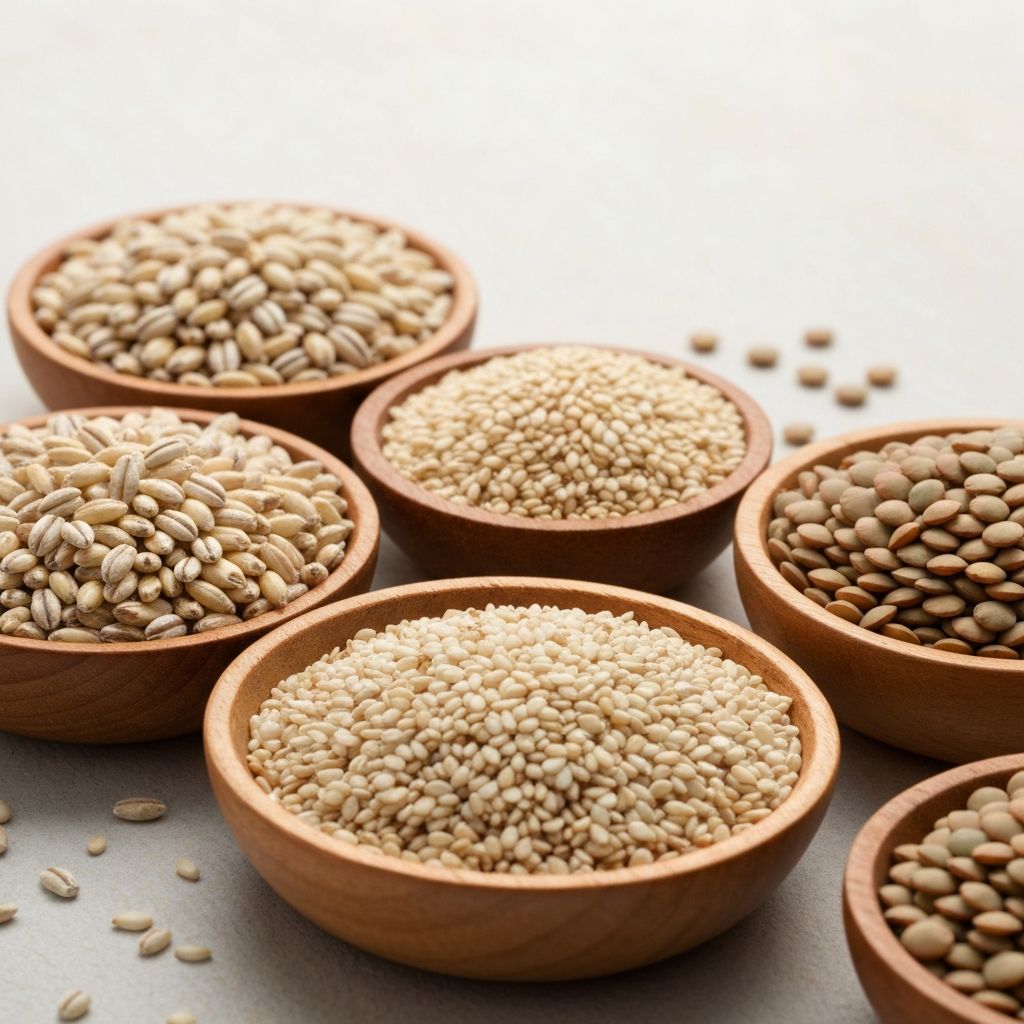
The bioavailability of nutrients also varies between foods and preparation methods. Some nutrients are more readily absorbed when consumed with specific combinations, while others may require particular cooking techniques to maximize their availability to the body.
Understanding the intricate composition of foods provides insight into how different dietary patterns might influence physiological processes. The scientific study of nutrient interactions continues to reveal the complexity of nutrition and its relationship to human health.
Misconceptions in Food Selection

Common misconceptions about nutrition often oversimplify the relationship between food choices and body weight. The notion that certain foods automatically lead to weight gain or that others guarantee weight management overlooks the complex interplay of factors involved.
Energy balance remains a fundamental principle in understanding body weight, but its application in real-world scenarios involves numerous variables. Total energy expenditure, basal metabolic rate, thermic effect of food, and physical activity all contribute to the equation.
The quality of food sources matters beyond simple caloric content. Nutrient density, fiber content, protein quality, and the presence of micronutrients all play roles in how foods interact with metabolic processes.
Scientific literature demonstrates that no single food or ingredient holds universal properties for weight management. Context, quantity, frequency, and individual physiological factors create a multifaceted picture that resists simple categorization.
Digestion and Specific Ingredients

The digestive process varies in efficiency and duration depending on the composition of foods consumed. Proteins, fats, and carbohydrates each follow distinct digestive pathways and require different enzymatic processes.
Certain ingredients contain compounds that may influence digestive function. Fiber types affect transit time and gut microbiome composition. Polyphenols and other phytochemicals interact with digestive enzymes in various ways.

The structure of whole foods versus processed ingredients affects how quickly nutrients become available to the body. Mechanical and thermal processing alter food matrices, potentially changing digestion rates and nutrient absorption patterns.
Individual variations in digestive enzyme production, stomach acid levels, and gut motility mean that the same food may be processed differently by different people. These variations contribute to the diverse responses observed in nutritional research.
Diversity in Plant Sources

Plant-based foods encompass an extraordinary range of nutritional profiles. Leafy greens, root vegetables, legumes, nuts, seeds, and fruits each offer distinct combinations of macronutrients, micronutrients, and bioactive compounds.
The concept of dietary diversity in plant consumption stems from the observation that different plant families provide complementary nutrient profiles. Rotating through various plant sources ensures exposure to a broader spectrum of beneficial compounds.

Phytonutrient content varies dramatically across plant species and even among varieties within the same species. Color often indicates the presence of specific antioxidant compounds, with each pigment family offering different potential benefits.
Traditional dietary patterns across cultures demonstrate various approaches to incorporating plant diversity. These patterns evolved over generations, reflecting both agricultural availability and accumulated nutritional wisdom.
Daily Movement Context

Physical activity levels significantly influence how the body processes and utilizes nutrients from food. Energy expenditure varies widely based on occupation, exercise habits, and non-exercise activity thermogenesis.
The timing of food consumption in relation to physical activity can affect nutrient partitioning and metabolism. However, these effects vary among individuals and depend on numerous contextual factors.
Sedentary behavior and active lifestyles create different nutritional contexts. The body adapts to energy availability and expenditure patterns, though these adaptations occur over time and differ among individuals.
Understanding the relationship between movement patterns and nutritional needs provides context for why dietary recommendations often include activity level as a consideration. Energy requirements scale with physical demands, though individual variation remains significant.
Hydration Nuances

Adequate hydration plays a role in numerous physiological processes, including nutrient transport, temperature regulation, and metabolic function. Water requirements vary based on climate, activity level, and individual factors.
The body obtains water from multiple sources, including beverages and water-rich foods. Fruits and vegetables contribute to overall hydration status while simultaneously providing nutrients and fiber.
Thirst mechanisms generally regulate hydration effectively, though certain conditions or circumstances may affect this innate system. Individual hydration needs fluctuate based on environmental conditions and physiological demands.
While plain water serves as the primary hydration source, herbal infusions and other unsweetened beverages can contribute to fluid intake. The key consideration remains avoiding excessive consumption of caloric or artificially sweetened drinks.
Frequently Asked Questions
What type of content does BespokeBites provide?
BespokeBites offers educational content exploring the scientific principles of nutrition, food composition, and the relationship between dietary choices and body weight. All content is informational in nature and based on current nutritional science research.
Does this site provide individualized nutrition advice?
No. This resource presents general educational information about nutrition science. It does not provide personalized dietary recommendations, meal plans, or individualized guidance. For personal nutritional advice, consult qualified healthcare professionals.
Why focus on individual responses to foods?
Scientific research increasingly demonstrates that people respond differently to the same foods due to genetic, metabolic, and microbiome variations. Understanding this concept helps explain why universal dietary prescriptions may produce varied results across populations.
Can these insights help with weight management?
This site provides educational context about nutrition science and food composition. It does not offer weight management programs, solutions, or guarantees. Any application of nutritional knowledge should be discussed with healthcare professionals who can provide personalized guidance.
Who creates the content on BespokeBites?
Content is developed by science communicators with backgrounds in nutrition research. The goal is to translate complex nutritional science into accessible educational material for general audiences interested in understanding food and health relationships.
Continue Exploring
Discover more about the scientific foundations of nutrition and the complex relationships between food choices, individual biology, and body weight through our educational resources.
Learn About This InitiativeLimitations and Context
The information presented on BespokeBites is strictly educational and informational in nature. This resource does not provide medical advice, nutritional counseling, or individualized dietary recommendations.
Content explores general scientific principles and research findings related to nutrition and body weight. Individual circumstances, health conditions, and nutritional needs vary significantly. Readers should not interpret general educational content as applicable to their specific situations without professional consultation.
For personalized guidance regarding nutrition, weight management, or health concerns, consult qualified healthcare professionals including registered dietitians, nutritionists, or physicians who can assess individual needs and provide appropriate recommendations.
This site exists solely to increase public understanding of nutritional science concepts. It makes no claims, promises, or guarantees regarding health outcomes, weight changes, or specific results from any dietary approach.
Get in Touch
Have questions about the educational content on this site? We welcome inquiries about our published materials and sources.
Note: We respond to questions about published content only. We do not provide personal nutritional advice or individualized guidance.